



Cake

The Art of
Sweetness

Exploring the stories, traditions, and craftsmanship behind every handmade dessert — from rustic farmhouse kitchens to avant-garde patisseries.

HoneyBakeRoom

A Manifesto for the Slow Sugar Movement

Welcome to HoneyBakeRoom. This is not a marketplace, nor is it a checklist of fast culinary transactions. This space is a dedicated digital sanctuary constructed to archive the deep, historical, and artistic narratives interwoven within global dessert heritage. Here, we evaluate the pastry not as a luxury commodity, but as a temporary architectural monument built out of flour, time, memory, and devotion.

We observe the morning pre-dawn hours of industrial extraction giving way back to the rhythmic creak of local stone mills. We track the subtle chemical transformations occurring inside deep wooden bowls, the natural variations of seasonal floral sugars, and the complex human cultures that gather whenever a cake is sliced.

In an age of instant gratification, we choose patience. We believe that the best sweets are those made slowly — with hands that know the weight of flour, eyes that watch for the perfect golden-brown, and hearts that understand that dessert is not an afterthought but a celebration. The act of baking is an act of love, and love cannot be rushed.

"

Every dessert carries a memory. Every recipe tells a story. This is what we preserve.

"
Honeycomb
Chapter I

The Honey Chapter

From apiary to pantry — tracing the golden thread that connects bees, blossoms, and bakers across centuries of sweet tradition.

Seasonal fruits
Chapter II

Seasonal Pastries

A calendar of confections — what to bake when, and why nature's rhythms make each bite more meaningful and delicious.

Baker's notebook
Chapter III

The Baker's Journal

Recipes, reflections, and the quiet wisdom of those who rise before dawn to knead dough into poetry and warmth.

Tea cup
Chapter IV

Tea & Cake Rituals

How different cultures gather around sweet things — and what those traditions teach us about connection and community.

Baker kneading dough

The Baker's Hands

There is a language spoken not with words but with touch — the way flour feels between fingers, the resistance of dough against palm, the subtle give of a perfectly proofed loaf. Master baker Thomas Keller has spent forty years learning this language, and in this exclusive interview, he shares what his hands have taught him about patience, intuition, and the sacred act of feeding others.

"You cannot rush bread," Keller says, his flour-dusted hands resting on a well-worn wooden table. "And you cannot fake it. The dough knows if you're distracted. It knows if you're angry. It responds to your energy. That's why baking is meditation. You have to show up, be present, and trust the process."

His morning ritual never changes: arrive at 3:45 AM. Check the temperature of the starter. Feel the humidity in the air. Adjust the hydration accordingly. "Every day is different," he explains. "The flour changes with the harvest. The kitchen changes with the weather. The baker's job is to adapt without losing the soul of the recipe."

When asked about his most memorable bake, Keller pauses. "It was a simple loaf for a young couple who had just lost their home to a fire. They had nothing. I gave them bread still warm from the oven. The wife cried. That's when I understood — baking isn't about technique. It's about being present for people in their most vulnerable moments."

Read the full interview →


Honey

"Flour, water, salt, time. These four elements contain the entire universe of possibility."

— Ancient Baker's Proverb

VISUAL ESSAY

The Colors of Confection

A photographic journey through the vibrant palette of pastry — from deep chocolate browns to blush pinks and honey golds.

Chocolate tart
Deep cocoa, deeper stories
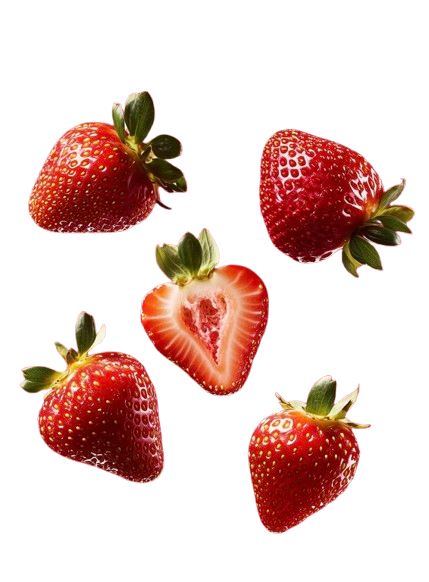
Strawberry cake
The blush of summer berries
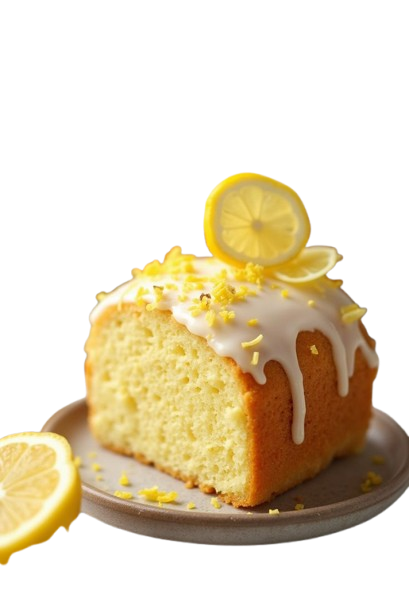
Lemon tart
Citrus bright, spirit light
FROM THE ARCHIVE

Heirloom Apple Galette

A rustic, free-form tart that celebrates imperfection. This recipe has been passed down through four generations of bakers, each adding their own subtle variation. The secret lies not in precision, but in feeling — the way the dough comes together, the scent of cinnamon meeting butter, the patience required to let the apples speak for themselves.

The original recipe comes from a small farmhouse in Normandy, where apples were abundant and sugar was precious. The baker would use whatever fruit was in season, wrapping it in a rough, hand-formed crust that required no special pan or equipment. It was peasant food, yes — but peasant food made with extraordinary care.

⏱️ Prep: 25 min 🔥 Bake: 35 min 🍎 Serves: 6-8 ⭐ Difficulty: Medium
Get the recipe →
COMMUNITY PULSE

What Our Readers Are Baking

Sourdough

First Sourdough Success

"After 11 failed attempts, I finally got my starter to rise. The crust cracked perfectly. Never giving up pays off!"

— Sarah M., Brooklyn
Birthday cake

Grandma's Birthday Cake

"Baked my grandmother's 90-year-old recipe for her 95th birthday. She cried. I cried. It was absolute perfection."

— James T., Portland
Croissants

Lamination Victory

"My first batch of croissants with actual honeycomb structure! The 3-day process was absolutely worth every minute."

— Priya K., Austin
UPCOMING

Workshops & Gatherings

OCT 15

Sourdough Starter Workshop

Learn to cultivate, feed, and bake with your own wild yeast starter. Limited to 12 participants for hands-on learning.

📍 Virtual + In-Person (Seattle)
OCT 22

Holiday Cookie Exchange

Bring your best batch, leave with a dozen new recipes. Hot cocoa, storytelling, and community celebration included.

📍 HoneyBakeRoom Kitchen, Portland
NOV 5

Pie Crust Masterclass

Flaky, tender, foolproof. Techniques for the perfect pie crust — sweet or savory — taught by professional pastry chefs.

📍 Virtual (Zoom)
NOV 19

Honey Tasting & Pairing

Explore single-origin honeys from around the world and learn how to pair them with cheeses, breads, and desserts.

📍 San Francisco + Virtual
DEEP DIVE

Sweetness Through the Ages

The history of sweets is the history of human civilization itself. Before sugar cane was domesticated in New Guinea around 8000 BCE, our ancestors satisfied their cravings for sweetness with wild honey, dates, and figs. The first written recipe for a sweet dish — a honey cake — appears on a Sumerian tablet dating to 1700 BCE. That cake, baked with barley flour, honey, and nuts, would be recognizable to any modern baker.

As trade routes expanded, so did access to sugar. The ancient Egyptians placed honey cakes in tombs for the afterlife. The Greeks and Romans used honey and fruit pastes to create early confections. But it was the Arab world that revolutionized sweets, introducing cane sugar cultivation to the Mediterranean and creating iconic desserts like baklava and nougat that are still celebrated today.

The Renaissance brought sugar to European aristocrats, who used it to display wealth through elaborate sugar sculptures called "subtleties" — edible centerpieces that could be several feet tall. These works of art required immense skill and patience, as sugar had to be boiled to precise temperatures and molded before it cooled. The tradition survives today in modern showpieces and wedding cakes.

Industrialization in the 19th century democratized sugar, making it affordable for everyone. But it also disconnected us from the craft. Mass-produced pastries replaced home-baked goods. Convenience triumphed over care. The Slow Sugar Movement, which HoneyBakeRoom champions, is a return to the old ways — not as nostalgia, but as a conscious choice to value quality over quantity, connection over convenience, and flavor over filler.

Today, a new generation of bakers is rediscovering heritage grains, wild fermentation, and traditional techniques. They are learning from grandmothers, traveling to learn from master artisans, and documenting recipes that might otherwise be lost. They understand that a cake is never just a cake — it is a vessel for memory, a catalyst for celebration, a quiet act of resistance against a world that moves too fast.

The Archive Compendium

The Sweet Journal

Why Handmade Baking Matters

In an era automated by heavy machinery, the human touch remains the definitive vector of culinary sincerity. The subtle hand pressure applied when rolling laminated butter layers forms a mechanical vocabulary that cannot be replicated by synthetic manufacturing lines. Each minute adjustment made in response to shifting room barometrics is a creative negotiation between pastry cook and environment.

"The surface of a hand-kneaded loaf acts as a responsive map, charting the emotional parameters of its creator."

When we remove mass automation from our kitchens, the process transforms back into a meditative art form. The baker's intuition becomes embedded within the starch structures, presenting the individual who eats with a highly personalized, transient edible legacy.

The Story Behind Honey Cakes

Centuries before crystalized cane sugars re-engineered global trade vectors, raw honey served as the absolute axis of sweetness. Across historical nomadic routes, dense honey loaves functioned far beyond basic culinary treats. They operated as highly valued, naturally resilient exchange pieces packed with protective floral enzymes that retained ambient moisture over deep mid-winter journeys.

The distinct geographic terroir of ancestral forest ecosystems became infused directly into the crumb matrices. A single bite offered ancient travelers a recognizable sensory profile of far-flung valleys, immortalizing changing landscapes within preserved spice blocks.

Today, the revival of regional honey baking allows modern culinary preservationists to tap back into these historical maps, showcasing complex wilderness profiles through a traditional lens.

Creating Meaning Through Dessert Architecture

We construct complex layered cakes not to fulfill standard biological caloric quotas, but to establish focal points for memory. The meticulous acts of weighing ingredients, balancing reductions, and styling structural tiers constitute an empathetic language. Dessert functions as an emotional container, giving tangible, short-lived form to celebrations, community milestones, and shared cultural narratives.

Chapter II

The Seasonal Collections

Spring

A gentle awakening of pasture profiles. The spring portfolio emphasizes structural configurations that rely heavily on wild botanical elements, pale acid balance, and ethereal, cloudlike textures that mimic early seasonal transitions.

As winter frost departs, our pastry selections focus on early orchard collections, exploring the aromatic potential of young herbs and delicate flower water distillations.

  • Floral infused sponge layers
  • Macerated wild rhubarb tartlets
  • Light elderflower curds

Summer

A vivid explosion of deep field sugars. At peak daylight length, our attention locks directly onto stone orchard fruit matrices, heavy unreduced berry yields, and brilliant honey infusions collected from wild meadow ecosystems.

The technical challenge of summer is managing rapid fruit fermentation, transforming field sugars into complex jellies and open galette foundations that honor high sun conditions.

  • Macerated crimson berry galettes
  • Bright citrus-blossom reductions
  • Heirloom garden tea accompaniments

Autumn

The introduction of complex, rustic warmth. This segment tracks heavy grain millings, rich nut-fat integrations, and deep forest syrups that reflect the natural color transitions of the landscape.

We change our baseline flour selections toward robust stone-ground dark grains, pairing them with slowly roasted orchard fruits and caramelized honeys harvested during late seasonal clearings.

  • Buckwheat honey companion loaves
  • Slow-roasted orchard compotes
  • Toasted kernel crumb compositions

Winter

Rich sanctuary configurations. Cold atmospheric conditions demand the presentation of dense cocoa solids, slow-matured spices, and heavy double-creams capable of offering emotional restoration against winter winds.

Baking retreats completely indoors during this period, focusing on patient aging cycles for fruit cakes and intense oven exposures that create dark, thick caramelized crusts.

  • Dark cocoa structured gateaux
  • Preserved sugar-crusted citrus rinds
  • Rich double-cream winter layers
Chapter III

The Dessert Chronicles

I. Strawberry Velvet

A detailed study in minimalist summer luxury. Freshly plucked berries undergo slow-maceration inside a delicate elderflower sugar bath, deliberately drawing out vibrant native juices. These fruit acids are subsequently layered between sheets of aerated chiffon sponge, creating a kinetic structural transition that collapses gently on the palate. The absence of industrial stabilised bases allows the pure, clean fruit definition to speak directly to the season.

Terroir: Early Summer Woodlands / Profile: Bright Botanical Cream

II. Honey Cream Tart

Terroir: High Pasture Fields / Profile: Intense Mineral Caramelization

Constructed using a crisp buckwheat-milled shortcrust frame. The primary payload consists of an unheated raw lavender-honey custard emulsion, allowed to set completely via cold resting cycles. The result is a profound texturized experience highlighting floral nectar lipids against brittle, toasted grains. It subverts the traditional excessively sweet pastry expectation in favor of dark mineral depths.

III. Peach Layer Cake

Heirloom yellow peaches are pan-roasted inside unrefined sugars until their cellular walls caramelize. These soft segments are introduced into a dense, fragrant almond meal crumb layer, celebrating the rich architectural heritage of classic stone fruits. Every slice delivers a heavy balance of orchard moisture and warm, nutty oil notes.

Chapter IV

Baking Culture Essays

Family Traditions & The Communal Oven

Historically, the domestic kitchen was not an isolated atomized unit. The village hearth served as a central point of intersection, dictating community schedules. Preparing large, festive enriched loaves together during historic seasonal markers reinforced shared geographic identities, embedding oral history within standard fermenting rhythms.

By exploring these communal frameworks, we discover that ancient baking metrics were never recorded on parchment; they were kept alive through physical observation across multiple generations.

Tea Time Rituals as Counter-Cultural Calm

The deliberate mid-afternoon pause functions as an explicit refutation of modern digital hyperactivity. Elevating tea and pastry pairings to a fine discipline forces the individual to drop their hurried baseline, shifting awareness onto the microscopic properties of heat, porcelain, melting sugars, and slow conversational transitions.

To stop and dedicate attention to a singular hot infusion paired with a delicate, fragile crumb structure is an accessible acts of daily restoration, re-centering our perspective amid modern noise.

Chapter V

The Baker's Table

01 / Ingredient Selection

We look past industrial bulk parameters. True luxury depends entirely on tracing single-estate cream sources, heritage stone-milled wheat lineages, and small-batch raw nectars containing active natural pollen.

02 / The Morning Bake

The deep, dark hours before dawn, where quiet kitchens tune into dough mutation. This phase demands extreme focus, monitoring elasticity adjustments against rising ambient room humidity.

03 / Perfecting Texture

A precise structural equation balancing interior cellular moisture against crisp exterior flake configurations. It remains a lifelong discipline of heat management.

Chapter VI

Visual Essays

I. Raw grain particles capturing morning sun shafts above the cutting table.
II. The slow, viscous flow of reducing autumn honeys inside unlined copper pans.
Chapter VII

The Sweet Archive

Antiquity Foundations

The Mediterranean Pastry Codex

Tracking the original structural implementation of wild honey glazes used to shield dense baked nut fats from rapid warm-weather oxidation across ancient maritime networks.

17th Century Europe

The Rise of Classical Lamination

An anthropological look into the establishment of court bakery guilds, where strict butter-rolling standards transformed dense baseline flour blocks into royal statement pieces.

Modern Era Evolution

The Sourdough Spontaneous Shift

How contemporary master pastry artists are stripping away heavy chemical leaveners, returning to wild yeast microflora cultures to achieve complex baseline profiles.

Chapter VIII

The Tea Room pairings

High-Altitude Black Tea & Deep Shortcrusts

The high tannin concentration and structured astringency of raw single-estate black leaves strip away residual dairy fats from the tongue, perfectly resetting flavor receptors for the subsequent bite of dense butter pastry.

Herbal Pine-Needle Reductions & Citric Sugars

Introducing delicate forest aromatics highlights light lemon components, lifting sweet citrus profiles out of conventional simple syrup spaces into sophisticated woodsy environments.

Chapter IX

Sweet Letters from the Community

"My grandmother kept her recipe formulations entirely stored inside her kinetic memory. No scales were tolerated. She asserted that the air inside an old house dictated the flour volumes far more reliably than any iron balance ever could..."

— Submission from Julian R., Copenhagen

"We must keep treating the baking oven as a sanctuary. In an increasingly volatile landscape, the smell of sugar caramelizing inside hot iron offers an undeniable emotional anchor..."

— Submission from Beatrice M., Paris
Chapter X

Our Narrative Arc

HoneyBakeRoom developed from a clear editorial mission: to document the slow-moving, creative spirit of artisan confectionery through a high-aesthetic, print-quality format.

We completely reject the frantic pacing of quick-service commercial storefronts. This digital journal stands as an evolving archive where professional bakers, food historians, and visual creators gather to trace the deep historical connections of global sugar rituals.

Editorial Correspondence

We welcome detailed personal memoirs, heirloom recipes, academic pastry research papers, and cinematic culinary art portfolios from our international readers.

Receive the Sweet Letter

A beautifully curated, monthly print-standard publication containing exclusive kitchen essays, historic pastry analysis, and visual journals delivered straight to your clean, quiet inbox.